October 7, 2026
Notice regarding visits to Motonosumi Shrine 2026



- >
- Features
- >
- Must-Capture! Motonosumi Shrine Photo Spots Photography Techniques
Must-Capture! Motonosumi Shrine Photo Spots Photography Techniques
topics-
Last updated
Jul 31, 2025
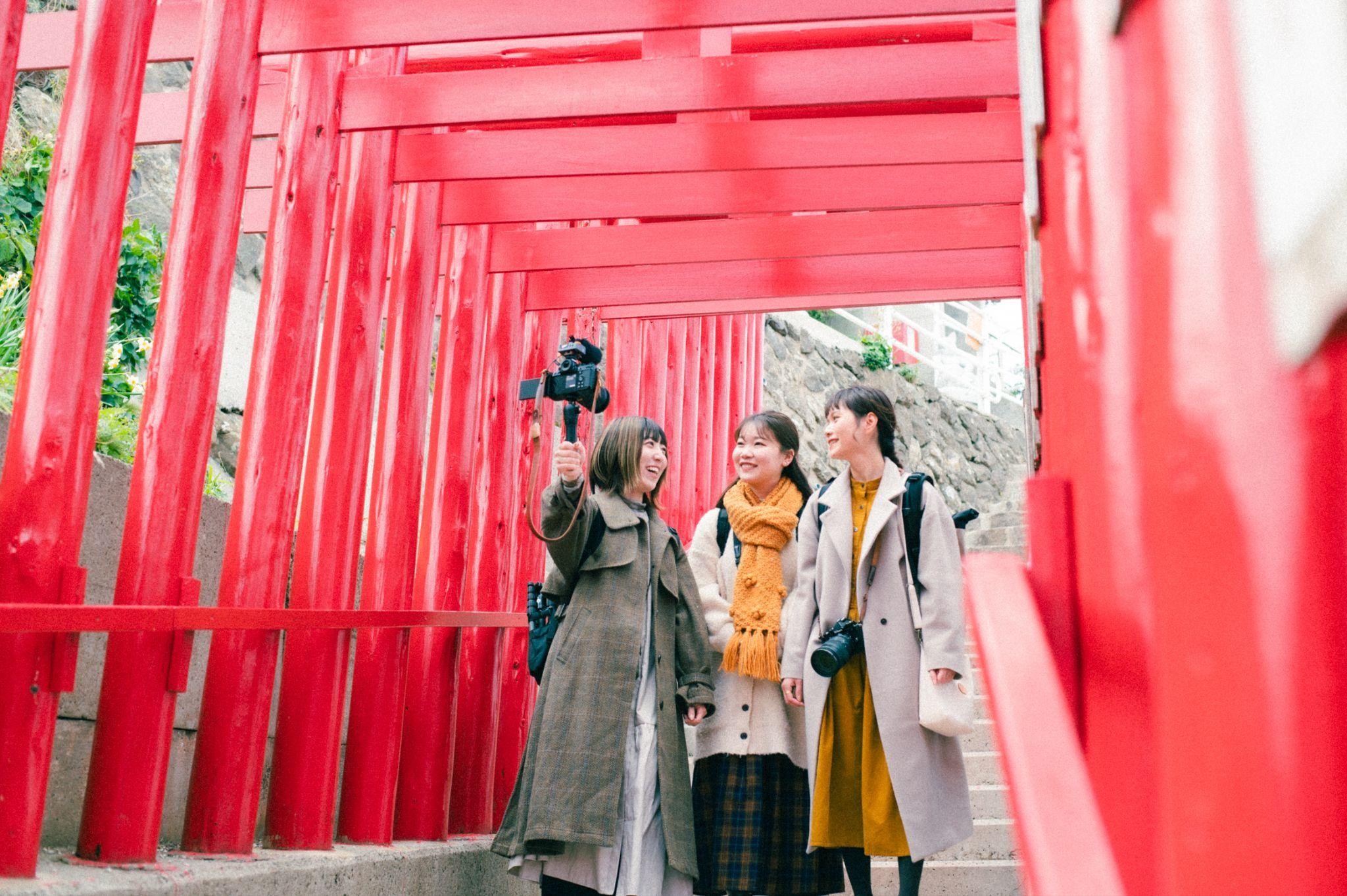
Motonosumi Shrine, located in Nagato City, Yamaguchi, is a renowned scenic spot recognized both by Japanese media and internationally, having been selected as one of CNN's "36 Most Beautiful Places in Japan."
Are you aware that there are specific photo spots and photography techniques you should know to capture this stunning scenery effectively?
In this article, we have compiled information regarding photo spots at Motonosumi Shrine.
We also cover information on breathtaking photo spots around the shrine, so please use this as a reference for your travel plans.
*Please ensure you take photos within the designated visiting hours (9:30 AM to 4:30 PM).
*Photography outside the grounds (around the torii gates) is permitted even outside of visiting hours.
About Motonosumi Shrine

Photo: Koichi (@Kfish1882) / Cooperation: NICO STOP
Motonosumi Shrine is famous for the sight of 123 torii gates lined up toward a sheer cliff.
|
Name |
Motonosumi Shrine |
|
Address |
498 Yuya Tsuo, Nagato City, Yamaguchi |
|
Phone Number |
0837-26-0708 (Tourist Information Center "YUKUTE") |
|
Holidays |
Open year-round |
|
Visiting Hours |
9:30 AM–4:30 PM |
|
Admission Fee |
Free |
|
Other |
Parking |
The shrine is believed to bring blessings for business prosperity, maritime safety, and good fortune, and has been cherished by local residents since ancient times.
In recent years, it has become known as a stunning scenic spot where the Sea of Japan and the red torii gates create a beautiful collaboration, gaining popularity among tourists from both Japan and abroad.
4 Recommended Photo Spots at Motonosumi Shrine
Motonosumi Shrine is a profound tourist spot where the expression of the landscape changes significantly depending on where you take the photo.
Here, we introduce five recommended photo spots you should know to maximize the charm of Motonosumi Shrine.
For some spots, we will also provide examples including detailed camera settings, so please use them as a reference.
The Top of the Torii Gates
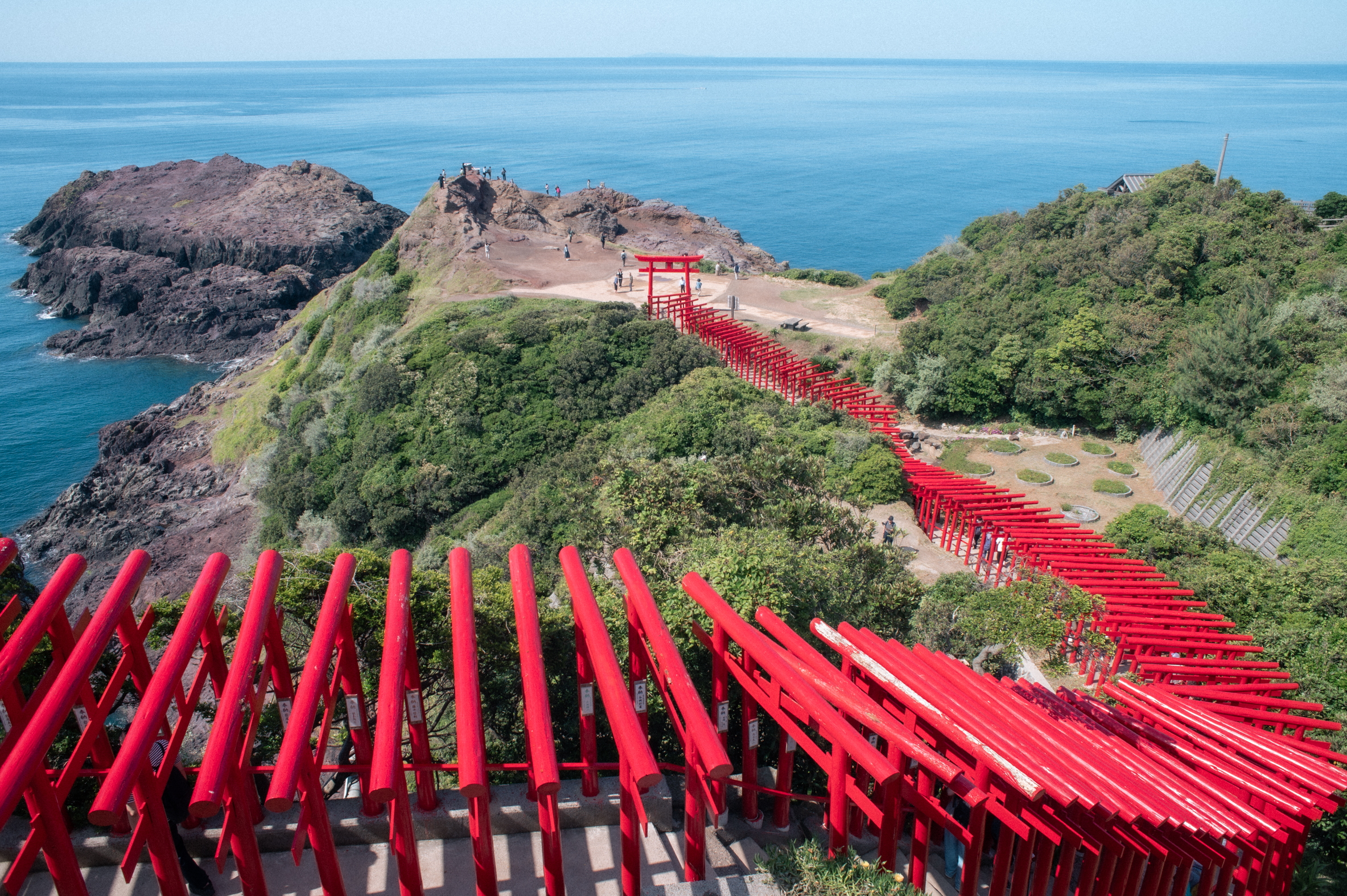
From the top of the torii gates, you can look down upon the gates lined up against the Sea of Japan and the cliffs, allowing you to capture a view unique to Motonosumi Shrine.
The contrast between the deep blue of the Sea of Japan, the historic red of the torii gates, and the lush green of the vegetation is guaranteed to be photogenic.
Example: Top of the Torii Gates
|
Season |
Late May |
|
Weather |
Sunny |
|
Shooting Position |
Below the Great Torii |
|
Focal Length |
24mm |
|
F-stop |
8 |
|
Shutter Speed |
1/250 sec |
|
ISO |
160 |
In summer, the deep green spreads across the area, making the contrast even more beautiful.
Around Ryugu Sea Spout
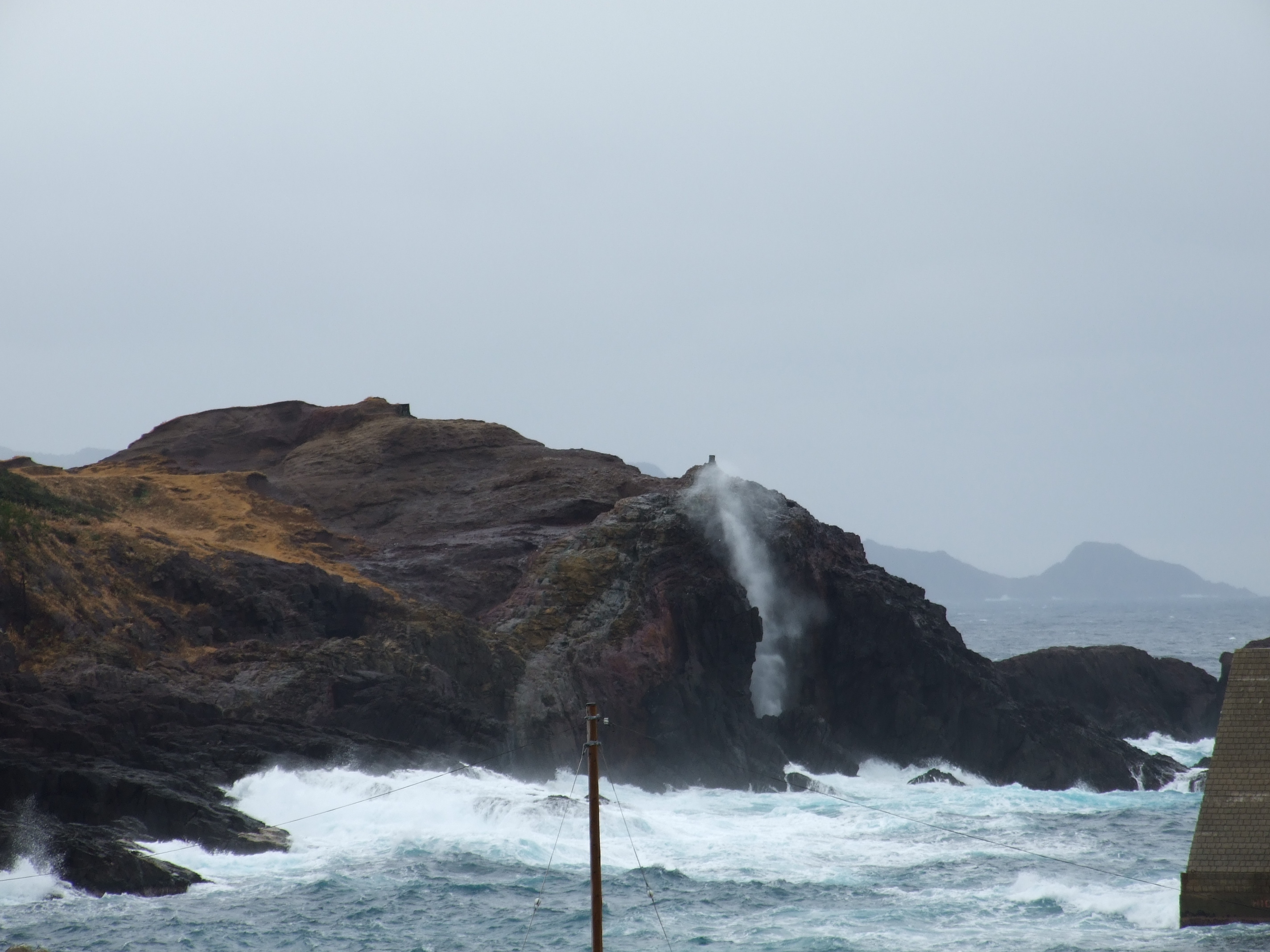
Located very close to Motonosumi Shrine, the "Ryugu Sea Spout" is a powerful tourist spot where waves from the Sea of Japan create intense sprays due to the unique rock formations. The sea spout is primarily visible during the winter when north winds are strong, but when the waves are calm, it becomes a scenic spot offering a panoramic view of the Sea of Japan from atop the cliffs.
Since it is right next to Motonosumi Shrine, please be sure to visit the Ryugu Sea Spout as well.
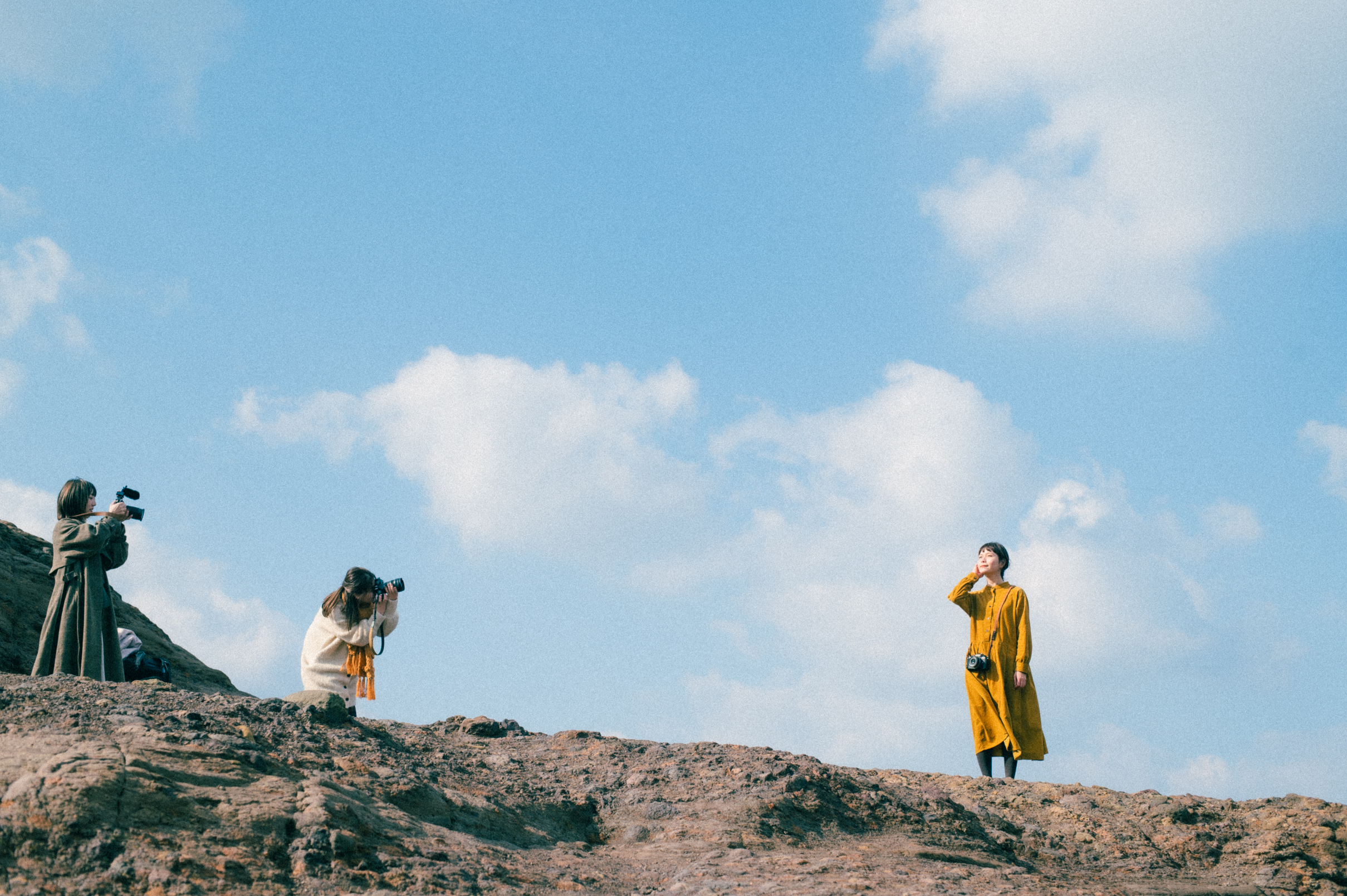
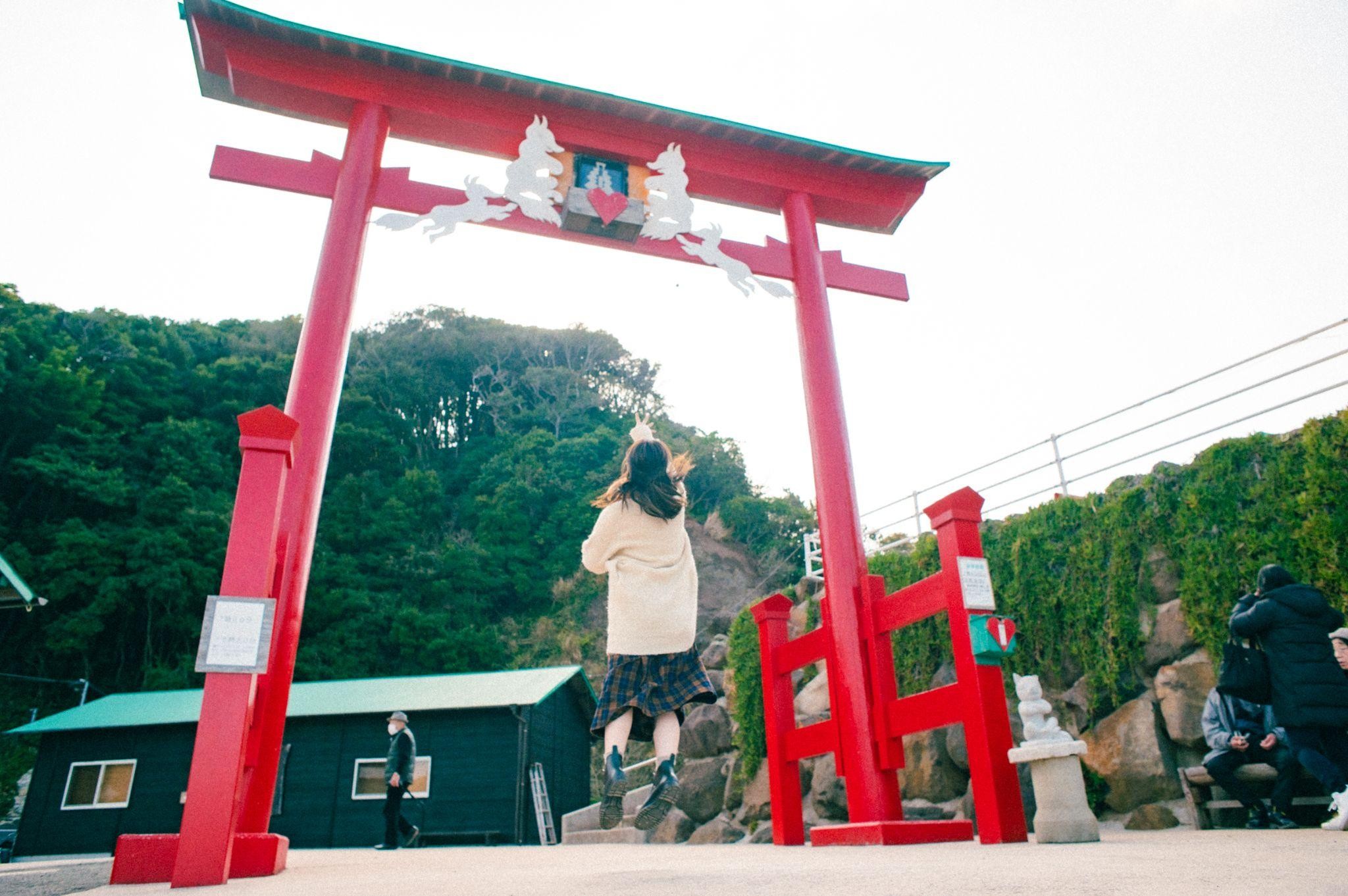
The Great Torii
Motonosumi Shrine features a Great Torii gate standing 6 meters tall.
This 6-meter class torii is rare in Japan and has an offertory box installed at the very top, where visitors can enjoy trying to toss coins into it. Capture a dynamic scene of your companions throwing their offerings!
If you want to capture the entire torii gate, use an aperture of F8 or higher to maintain a wide plane of focus, and set the shutter speed to 1/500 sec or faster to minimize blur. Another tip is to keep the ISO as low as possible to reduce noise.
Example: The Great Torii
|
Season |
Early January |
|
Weather |
Sunny / Partly cloudy |
|
Shooting Position |
Great Torii |
|
Focal Length |
24mm |
|
F-stop |
2.8 |
|
Shutter Speed |
1/2000 sec |
|
ISO |
400 |
By photographing the moment someone tosses money into the offertory box atop the Great Torii, you can capture a heartwarming photo that recalls a fun moment of your trip.
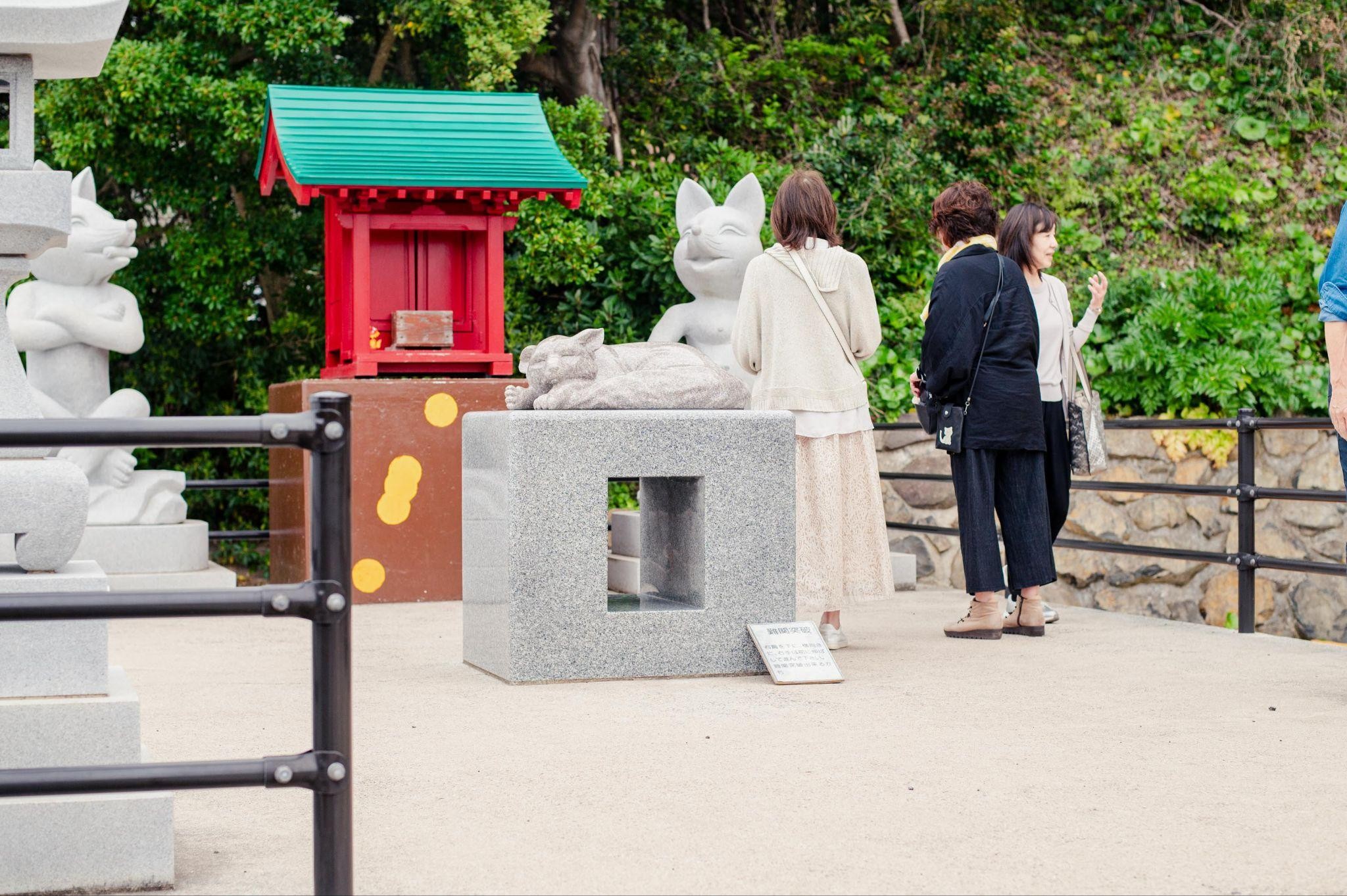
Nankan Toppa no Ishi
The "Nankan Toppa no Ishi" (Stone for Overcoming Difficulties) is a stone tunnel that is said to allow one to "break through difficulties" by passing through it.
If you can capture the moment someone works hard to pass through the stone tunnel beneath the white fox, you can preserve a fun memory unique to Motonosumi Shrine.
Lowering your right shoulder, extending your right hand forward, and turning your whole body to the left while crawling through will help you pass through successfully. Those who want to take interesting photos should give it a try.
Points to Keep in Mind When Taking Photos at Motonosumi Shrine
To capture the scenery of Motonosumi Shrine beautifully, you must pay attention not only to the location and angle but also to the shooting environment.
Here, we explain points to keep in mind when taking photos at Motonosumi Shrine from the perspective of time of day and seasonal characteristics.
Time of Day
The best time to photograph the entire shrine with front lighting toward the sea is around 10:00 AM to 12:00 PM during the summer.
In addition, the following characteristics apply to the sunlight for each season:
- Spring to Summer: Since the sun moves from east to west slightly to the north toward the sea spreading to the north, shadows are less likely to form during the day. The period from May to July has the longest daylight hours.
- Autumn to Winter: Since the sun moves from east to west slightly to the south, shadows often fall on the torii gates, especially in the morning. The period from November to January has the shortest daylight hours.
*Please ensure you take photos within the visiting hours (9:30 AM to 4:30 PM starting from August 1, 2025).
Seasonal Characteristics
The scenery of Motonosumi Shrine changes significantly with the color of the sea and the growth of plants within the grounds each season.
- Spring to Summer: Blue skies are more common, making it easier to clearly capture the red of the torii, the green of the plants, and the blue of the sea.
- Autumn to Winter: The color of the sea becomes deep and heavy, and with less greenery, it is easier to capture a more profound image. Since north winds blow easily, you can capture rough waves, and on days with high waves, you may even be able to photograph the "Ryugu Sea Spout" together.
Recommended Photo Spots Around Motonosumi Shrine
Yamaguchi Prefecture offers many breathtaking spots besides Motonosumi Shrine due to its abundant nature and diverse topography.
Here, we introduce five recommended photo spots that are easy to visit from Motonosumi Shrine.
Please use these as a reference when planning your trip to Yamaguchi Prefecture.
Senjojiki
Senjojiki is a tourist spot where you can view the Sea of Japan and the islands of Yamaguchi Prefecture from a grassland located on a plateau 333 meters above sea level.
|
Name |
Senjojiki |
|
Address |
1138-1 Heki Naka, Nagato City, Yamaguchi |
|
Phone Number |
0837-26-0708 (Nagato Tourism Convention Association) |
|
Access from Motonosumi Shrine |
10 minutes by car |
Since it is located very close to Motonosumi Shrine, it is a photo spot that those who want to photograph beautiful nature should definitely stop by.
Tanada no Hanadan
Tanada no Hanadan is a tourist spot gaining increasing attention, featuring beautiful herb gardens and flower beds created from abandoned terraced rice fields.
|
Name |
Tanada no Hanadan |
|
Address |
1766 Yuya Ushirobata, Nagato City, Yamaguchi |
|
Phone Number |
0837-27-0074 (Nagato Tourism Convention Association) |
|
Access from Motonosumi Shrine |
5 minutes by car |
In addition to capturing beautiful scenery, events are often held where you can enjoy menus using herbs and crops from the flower beds.
Please check the official Instagram for details.
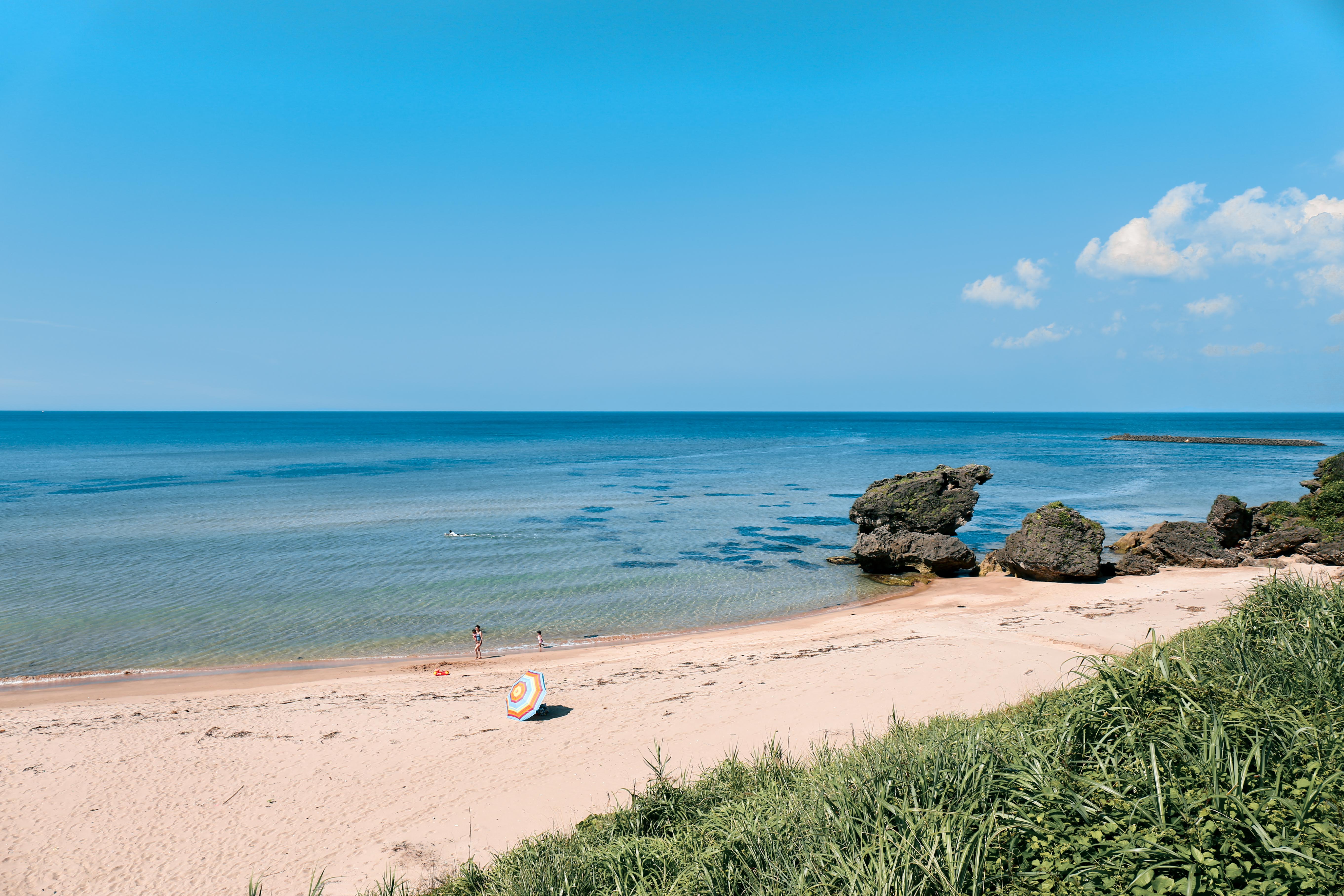
Ohama
Ohama is a sandy beach in the Yuya/Mukatsuku area where the contrast between the crystal-clear sea and the white sand is wonderful.
|
Name |
Ohama |
|
Address |
1068-1 Yuya Mukatsuku Kami, Nagato City, Yamaguchi |
|
Phone Number |
0837-23-1252 (Nagato City Hall, Tourism Policy Division) |
|
Access from Motonosumi Shrine |
20 minutes by car |
The clear blue of the beautiful sea changes its hue depending on the season, so it has a charm that you will never tire of, no matter how many times you visit.
Kawashiri Cape
Kawashiri Cape is a scenic spot located at the northernmost tip of the Mukatsuku Peninsula.
|
Name |
Kawashiri Cape |
|
Address |
Yuya Mukatsuku Shimo, Nagato City, Yamaguchi |
|
Phone Number |
0837-26-0708 |
|
Access from Motonosumi Shrine |
30 minutes by car |
The vast Sea of Japan, which can be seen precisely because it is the northernmost tip, offers a sense of wonder different from the sea you usually see.
Tsunoshima Bridge
Tsunoshima Bridge is a bridge connecting the mainland and Tsunoshima Island, with a location so good that it has been used for many TV commercials and filming locations.
|
Name |
Tsunoshima Bridge |
|
Address |
Kanda, Hohoku to Tsunoshima Island, Shimonoseki City, Yamaguchi |
|
Phone Number |
083-786-0234 |
|
Access from Motonosumi Shrine |
30 minutes by car |
Boasting a length of 1,780 meters, it is one of the largest bridges in Japan that can be crossed for free, making it a must-see tourist attraction when visiting Yamaguchi Prefecture.
Summary
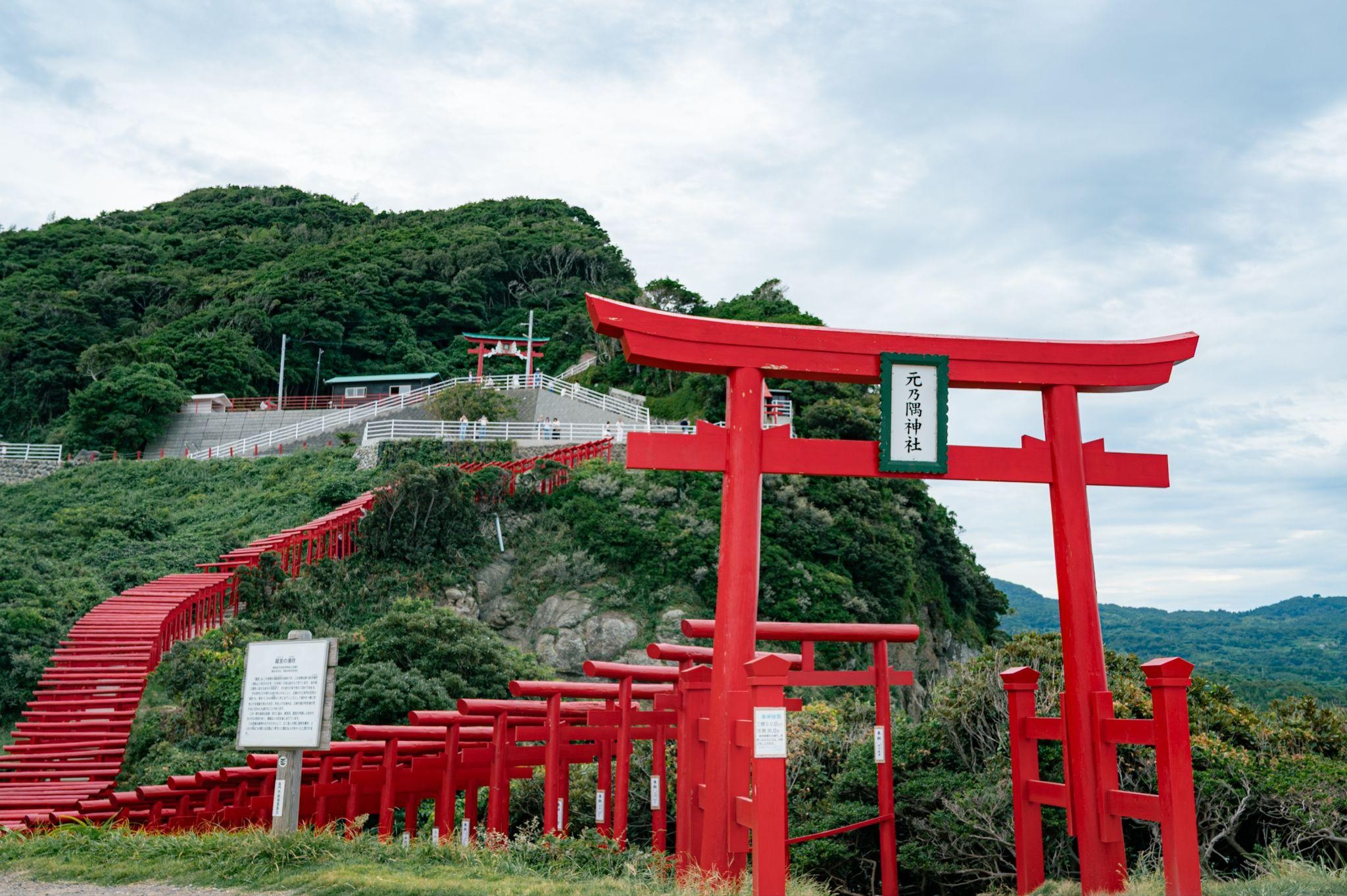
Photo: Koichi (@Kfish1882) / Cooperation: NICO STOP
In this article, we have explained information regarding photo spots at Motonosumi Shrine.
Motonosumi Shrine, where you can enjoy beautiful scenery created by the collaboration of the Sea of Japan and the red torii gates, is a recommended tourist spot for those who want to take beautiful photos.
Furthermore, there are many tourist spots around Motonosumi Shrine with unique landscapes, so if photography is your hobby, why not pay them a visit?
Photo: Koichi (@Kfish1882) / Cooperation: NICO STOP

