May 20, 2026
Notice regarding visits to Motonosumi Shrine 2026



- >
- Features
- >
- A Relaxing Scenic Car Trip from Fukuoka to the Coastal Wonders of Yamaguchi
A Relaxing Scenic Car Trip from Fukuoka to the Coastal Wonders of Yamaguchi
topics-
Last updated
May 15, 2026
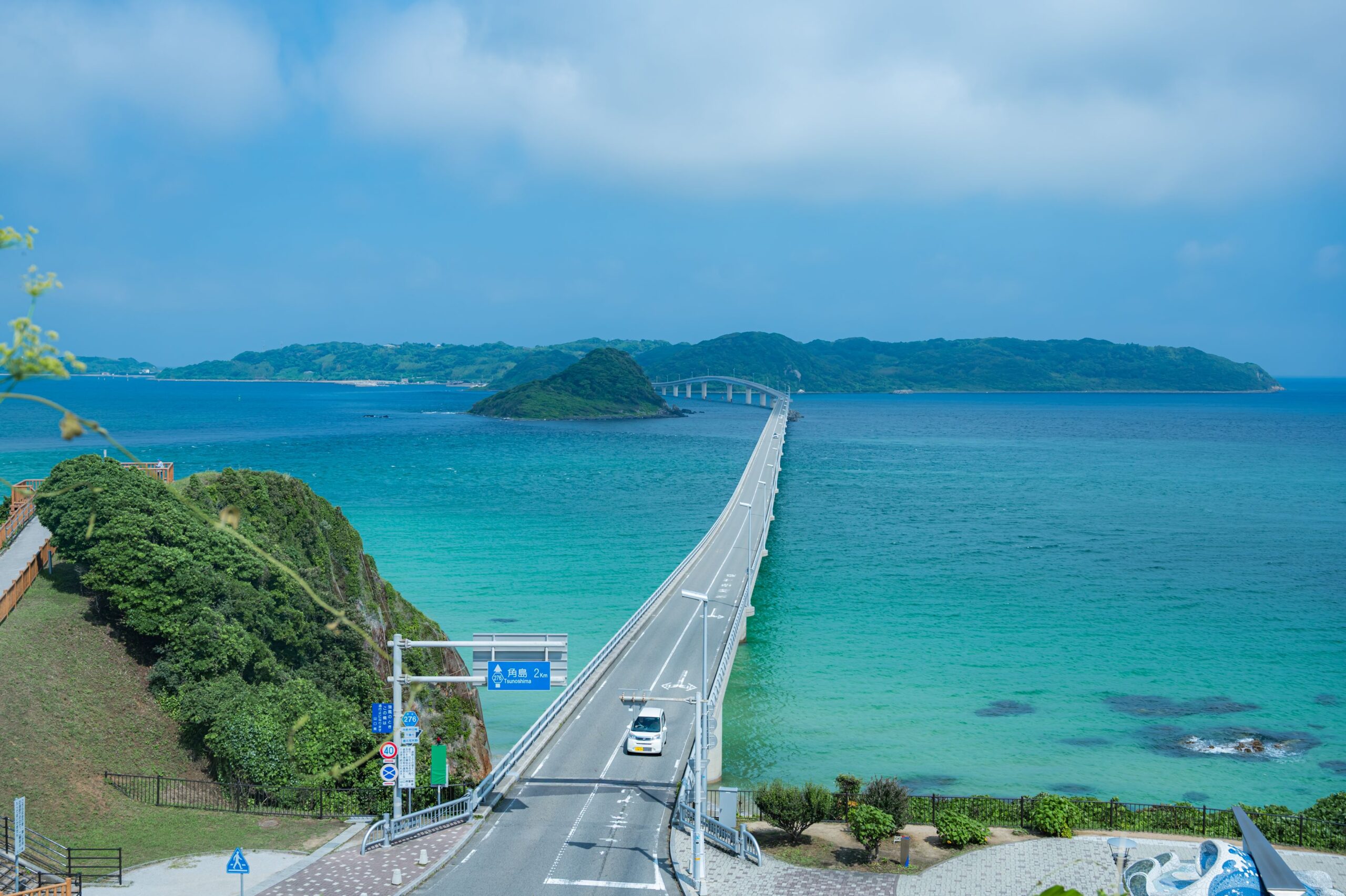
How you travel affects what you see and how you experience your trip. Some of the best coastal spots, like the cliffside torii gates at Motonosumi-jinja Shrine, are in places that trains can’t reach. If you want to find hidden gems and enjoy the dramatic views along Yamaguchi’s coast at your own pace, renting a car lets you explore freely.
This guide gives you a practical one-day itinerary and clear tips to help you enjoy your drive.
Getting from Fukuoka to Yamaguchi
Once you leave the busy streets of Fukuoka, the scenery opens up to wide skies and sea views as you drive toward Yamaguchi.
The main route is the Kyushu Expressway, which links Fukuoka to Yamaguchi across the Kanmon Strait.
The route below will take you from Hakata Station to Shimonoseki, the first stop on your journey.
|
Route |
Hakata Station → Hakata Station East Toll Gate→ Fukuoka Urban Expressway → Kyushu Expressway → Shimonoseki Interchange |
|
Distance |
About 94 km |
|
Time |
About 1 hour and 10 minutes |
The Perfect 1-Day Itinerary: Coastal Wonders and Iconic Shrines
After leaving Fukuoka and crossing into Yamaguchi, you’ll follow the coastline past bustling markets, iconic bridges, sea-cliff shrines, and windswept plateaus.
Morning: Eat Like a Local at Karato Fish Market
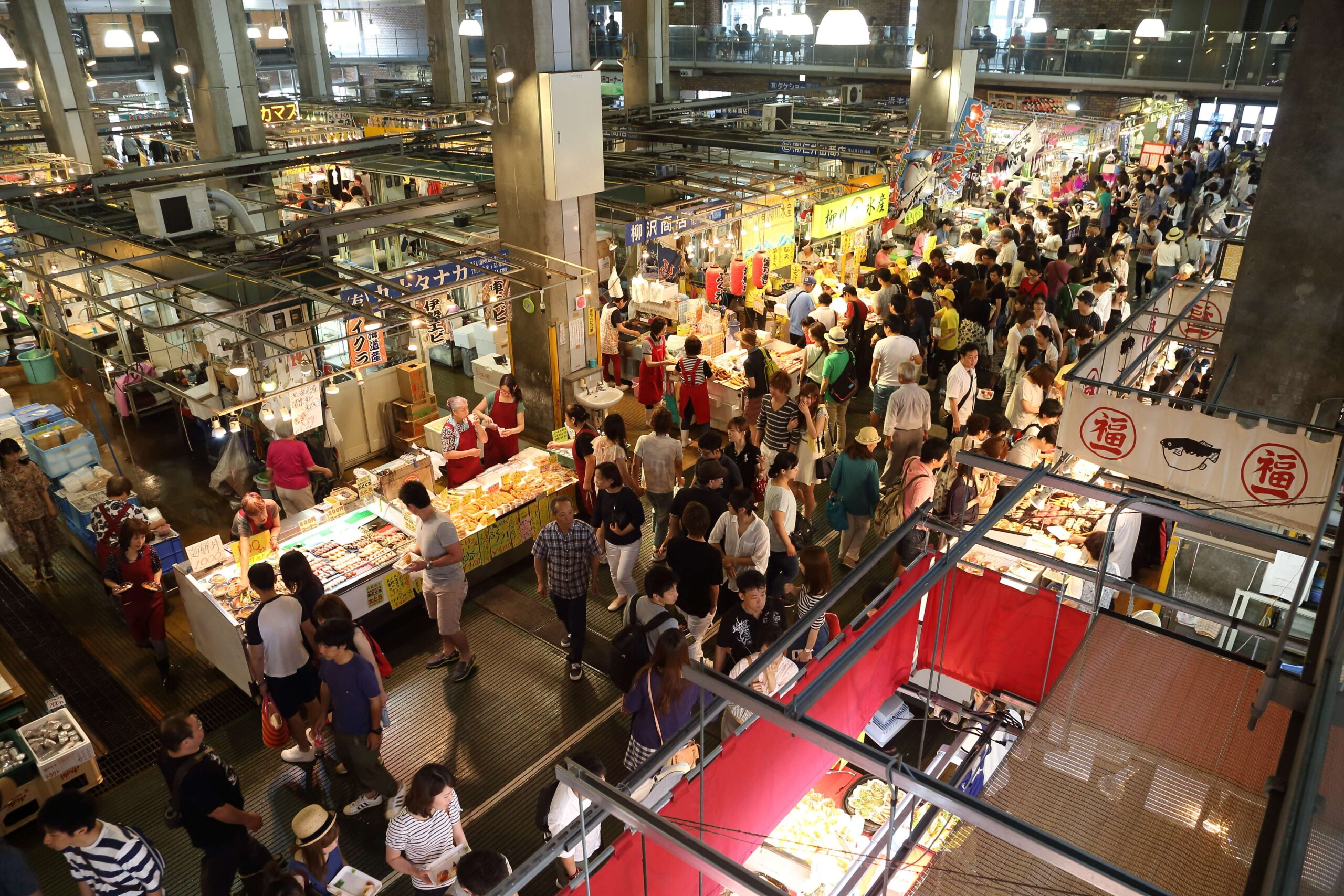
Begin your coastal escape in Shimonoseki at Karato Market. With roots stretching back to the early 1900s, this lively market has long been a staple for locals seeking the freshest ingredients. Today, it serves both as a working wholesale market and a beloved tourist stop.
On regular weekdays, Karato Market buzzes with activity as vendors unload crates of seafood and produce, including Shimonoseki’s famous pufferfish, as well as sea bream, yellowtail, and seasonal vegetables.
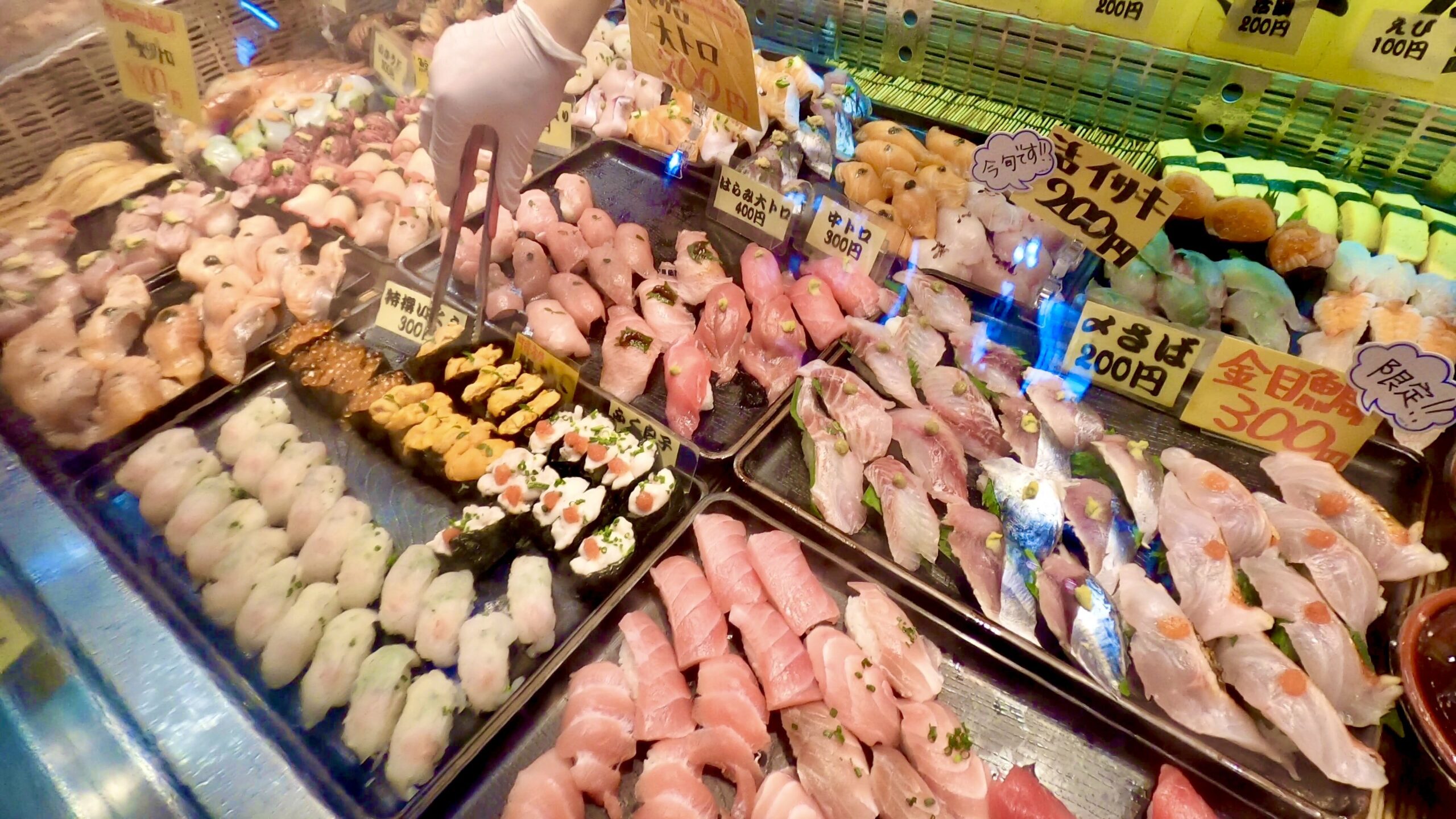
If you visit on a weekend or public holiday, you’ll experience the popular Bakangai event. During this event, stalls line the walkways selling bite-sized pieces of fresh sushi and other local seafood specialties at affordable prices.
Aside from the food, visitors can chat with the stall staff as they slice, arrange, and recommend their catches. After you’ve eaten, step outside to watch ships glide through the Kanmon Strait before continuing your coastal drive.
|
Name |
Karato Fish Market |
|
Address |
|
|
Hours |
Main Market: Monday–Saturday / 5:00 AM–3:00 PM *May vary by location Sundays and holidays: 8:00 AM–3:00 PM Bakangai Event: Fridays and Saturdays: 10:00 AM–3:00 PM Sundays and holidays: 8:00 AM–3:00 PM *Hours and locations subject to change based on stock. |
|
Website |
Mid-Morning: Driving Across Tsunoshima Bridge
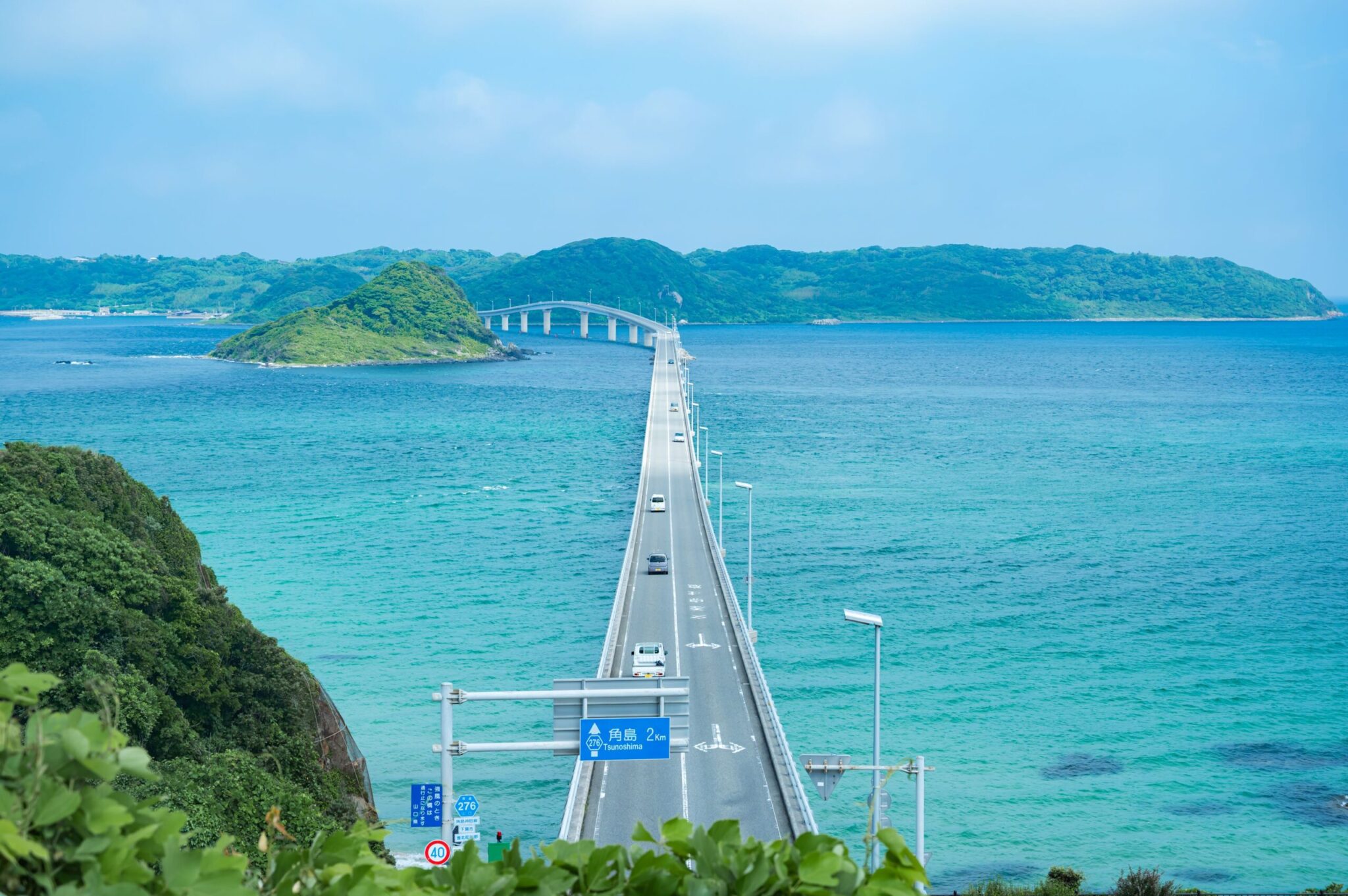
Tsunoshima Bridge stretches 1,780 meters and is one of the longest toll-free bridges in Japan. It links the mainland to Tsunoshima Island, crossing the clear waters of the North Nagato Coast Quasi-National Park.
The water here is remarkably transparent. The seafloor is covered with white shell sand that reflects sunlight, creating vivid cobalt-blue and emerald gradations that have made the bridge so famous. These colors are at their most striking on clear days.
For the best photo of the bridge, head to Amagase Park on the mainland side, where an elevated viewing platform offers sweeping views of the bridge and coastline. On the island side, visitors can tour the Tsunoshima Lighthouse or relax on the white sand beaches along the island’s northern shore.
|
Name |
Tsunoshima Lighthouse |
|
Hours |
March–September: 9:00 AM–5:00 PM October–February: 9:00 AM–4:30 PM |
|
Address |
|
|
Parking |
Available nearby (300 yen per day) |
Afternoon: Motonosumi-jinja Shrine
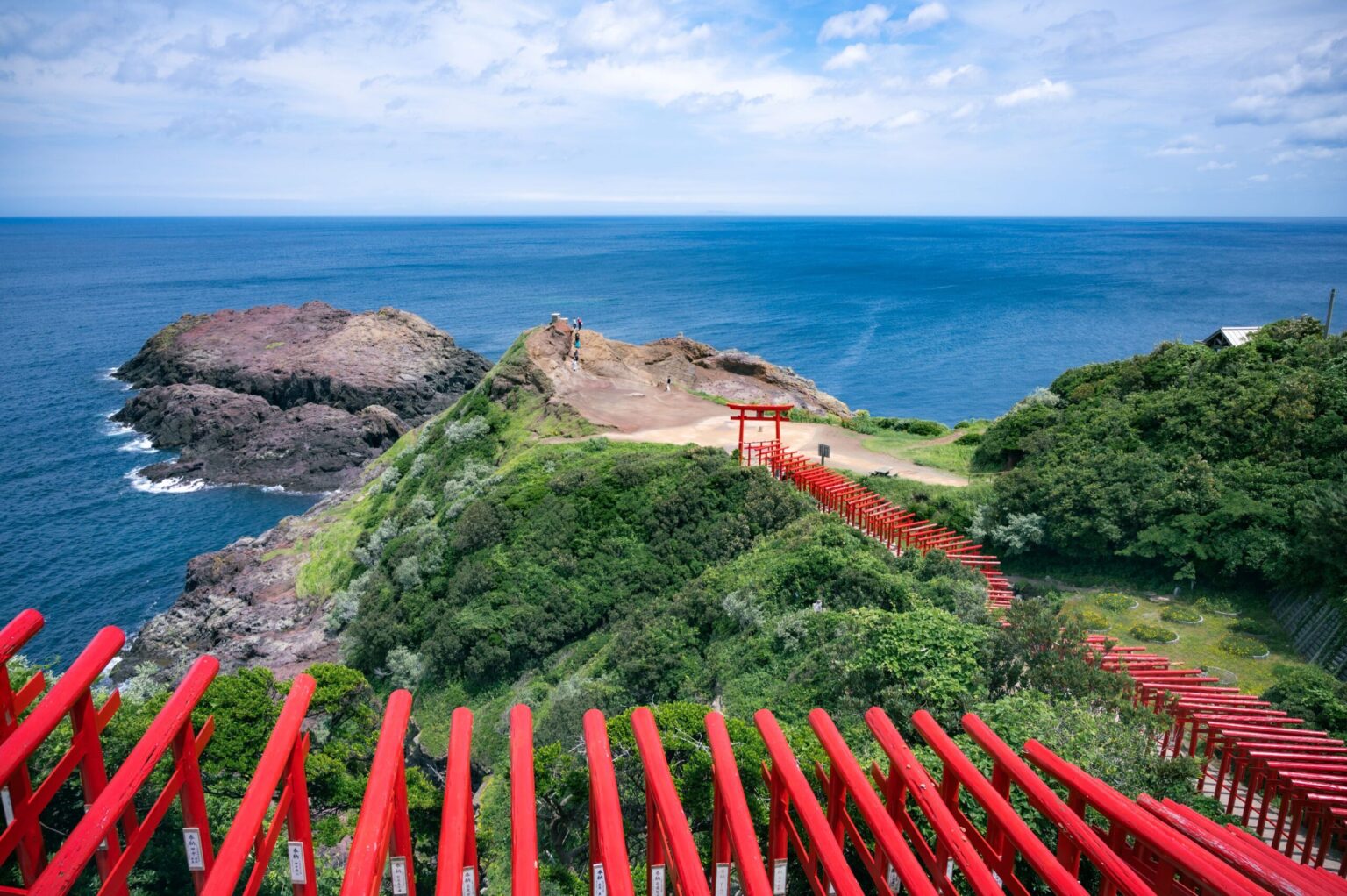
From Tsunoshima, continue along the coast to Nagato and Motonosumi-jinja Shrine. The main attraction here is a line of 123 bright red torii gates stretching for over 100 meters down toward the sea, creating one of the best photo spots on this route.
The shrine is said to grant prayers related to business success, safety at sea, good relationships, fertility, traffic safety, academic success, and general good fortune. If you’re looking for a meaningful souvenir, you should consider getting one of the shrine’s red seals. You can choose from 10 types of red seals, each with a different theme, such as love, victory, or prosperity, and write the date of their visit using a pen provided at the awarding office. A small offering of around 500 yen is standard.
On-site parking costs 300 yen for the first hour. Entry is restricted on certain weekends in 2026, so check the latest information on the shrine’s official page before you set out.
|
Name |
Motonosumi-jinja Shrine |
|
Hours |
9:30 AM – 4:30 PM *Please leave the shrine grounds by 4:30 PM. *Entry and photography are prohibited at night. |
|
Address |
|
|
Parking |
Available (300 yen for the first hour) |
|
Spot Page |
Optional Stop: Senjojiki Plateau and Country Kitchen
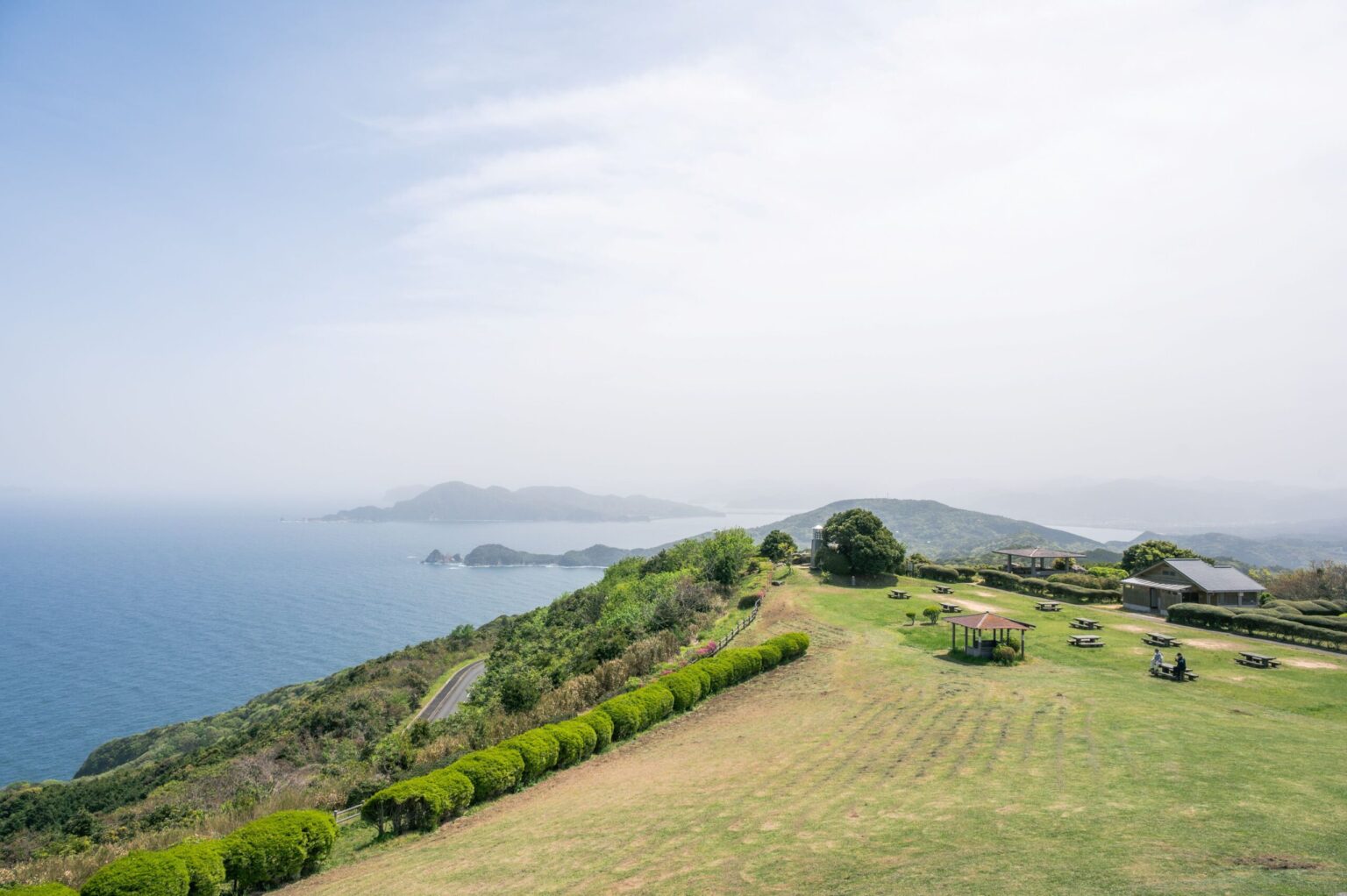
Just a 20-minute drive from Motonosumi Shrine, the road climbs toward the Senjojiki Plateau, a convenient stop that breaks up your coastal drive. At 333 meters above sea level, the air is cooler than at the shoreline, and on clear days you get a full 360-degree view of Yamaguchi’s rugged coastline. It’s a comfortable place to park, stretch your legs, and take photos.
Senjojiki also has a simple campground, making it a good option if you’re traveling by car and want to spend a night under the stars.
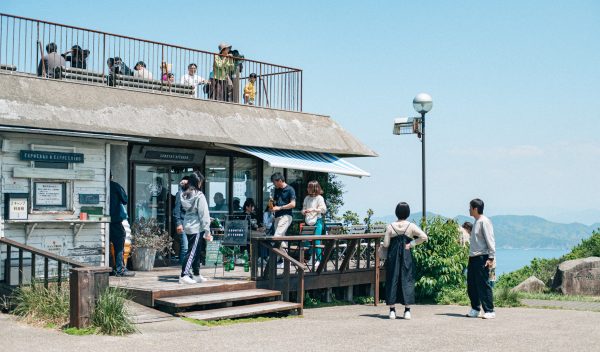
While you’re here, drop by Country Kitchen, located on the plateau. This small café serves home-made bread made with natural yeast, bagel sandwiches, and soft-serve ice cream with a gelato-like freshness.
Whether you eat inside or out on the terrace, the panoramic view of Kita-Nagato Quasi-National Park makes it well worth the stop.
|
Name |
Country Kitchen |
|
Address |
|
|
Hours |
11:00 AM. - 5:00 PM. (*Meal service is available until 3:00 PM) Closed on Thursdays *Cash only |
|
Website |
What to Eat: Yamaguchi’s Culinary Gems
The coastline of Yamaguchi and the surrounding North Nagato Corridor offer a distinct culinary profile centered on high-quality seafood, specialized poultry, and seasonal delicacies.
Fugu (Pufferfish)
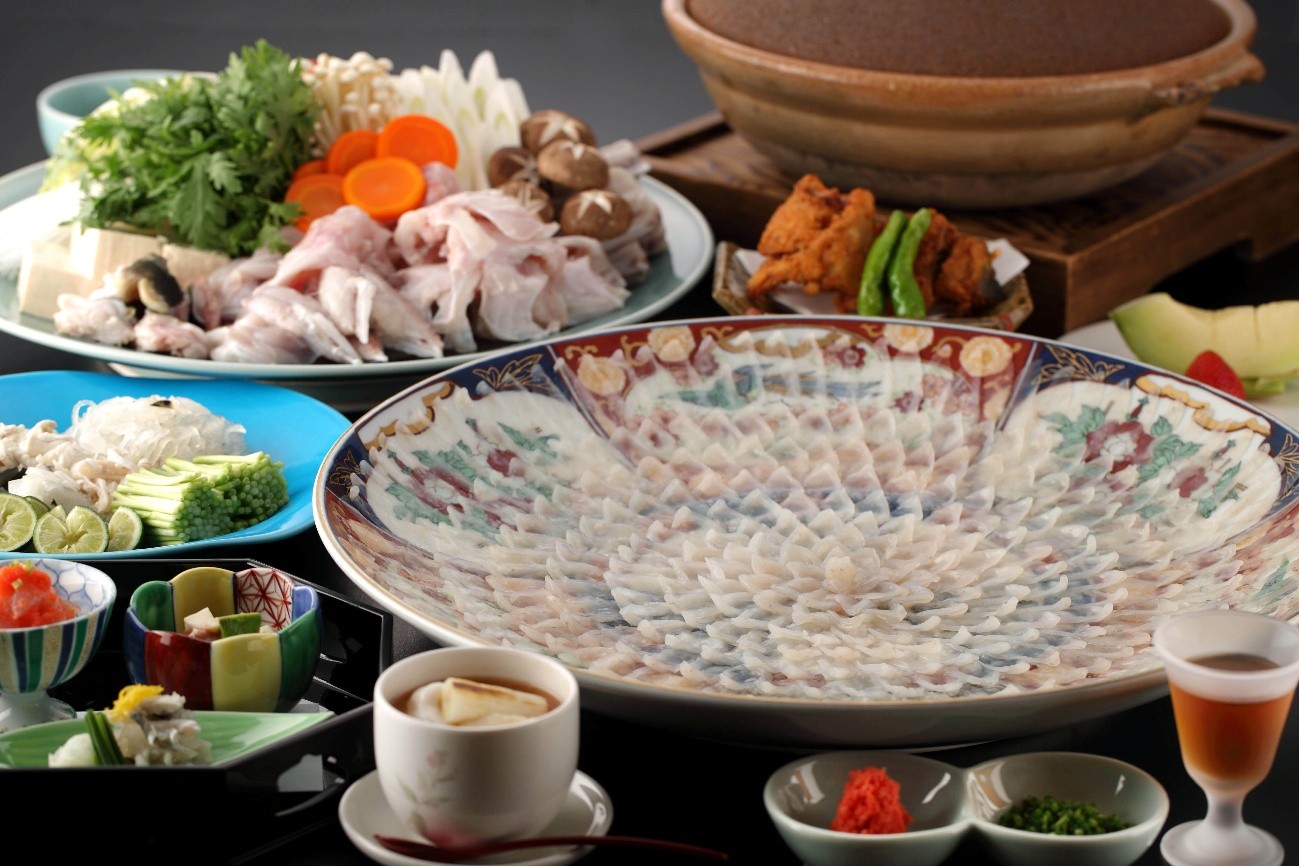
Shimonoseki is nationally recognized for its pufferfish, and the specialty is widely available throughout the region, including Nagato. Around here, fugu is commonly known as fuku, a play on words that also means “good fortune.” Prepared by highly trained, licensed chefs, it is served in several traditional styles:
- Fuku-sashi: Translucent slices of raw fish.
- Fuku-chiri: A nutritious hot pot featuring pufferfish fillets and seasonal vegetables.
- Fried Fuku: Crispy, deep-fried pieces that highlight the meat's firm texture.
Senzaki Squid
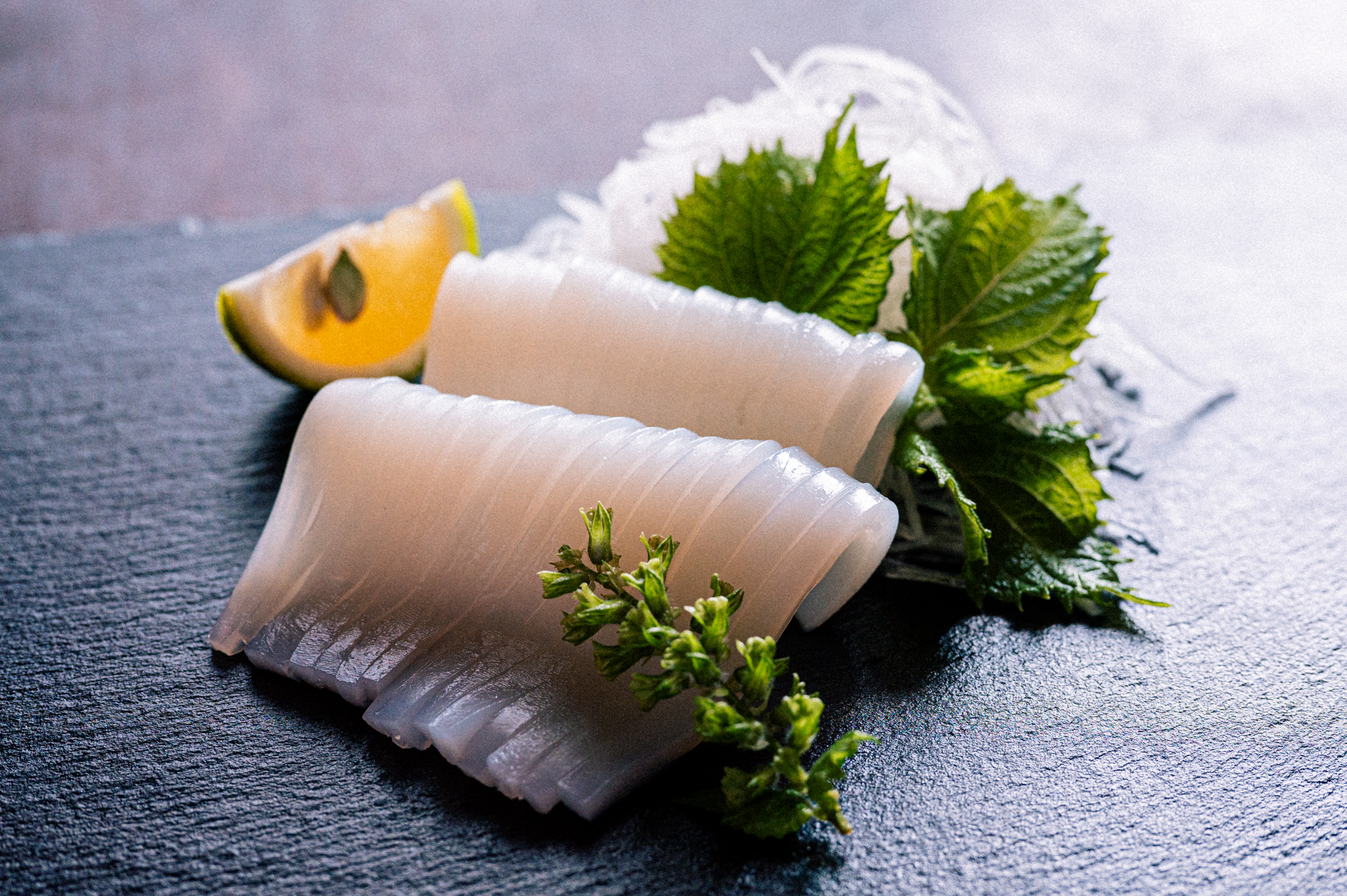
Nagato City’s Senzaki Port is renowned for its Senzaki Squid, the Swordtip Squid brought by intense ocean currents. It is characterized by its high transparency, firm texture, and concentrated sweetness.
Nagato Yakitori
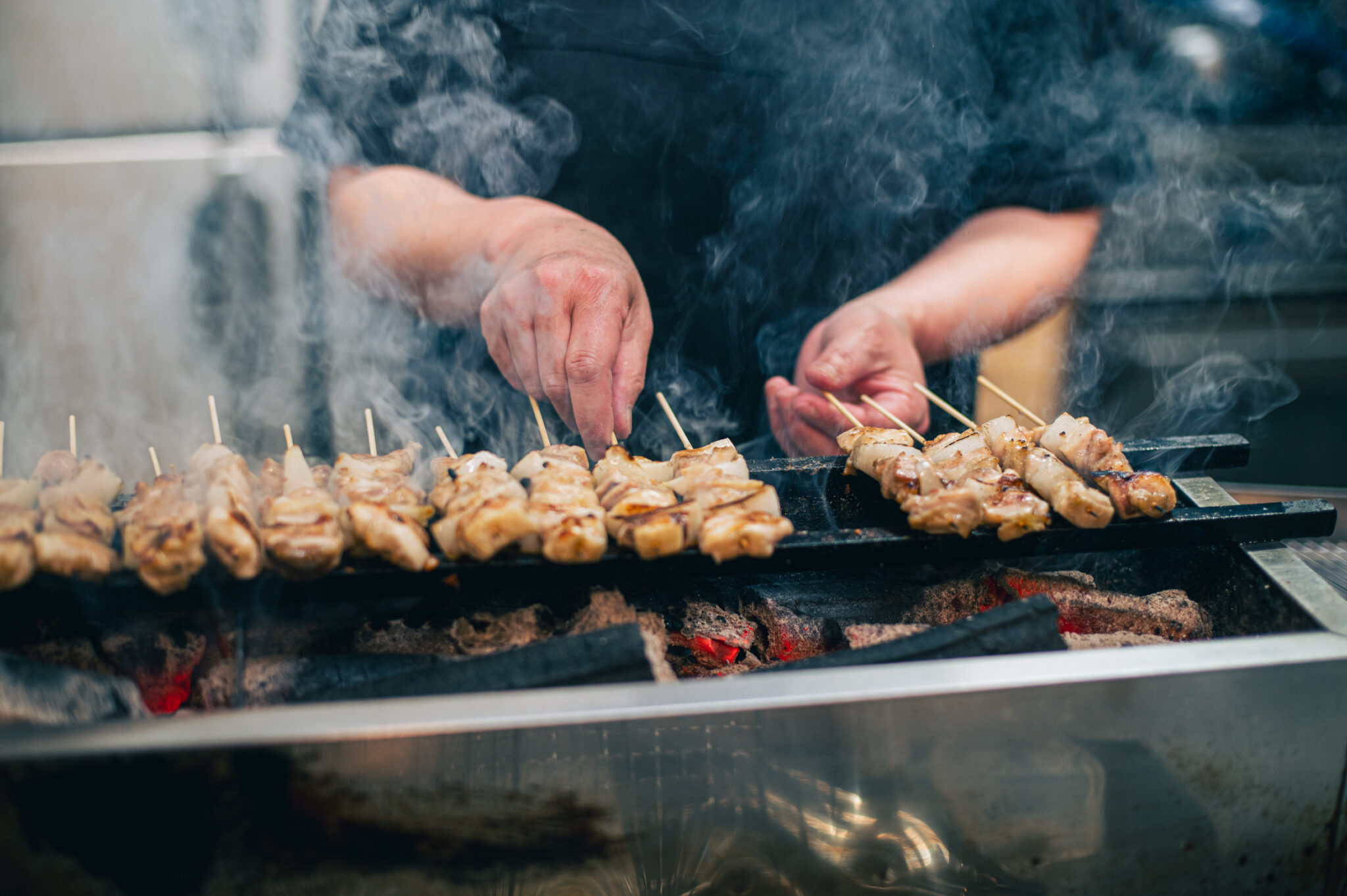
Nagato is known as a yakitori town, and one of its signature ingredients is Choshu chicken. The grilled chicken is usually seasoned with salt, then finished with garlic powder and chili pepper from the seasonings on the table to taste.
Kawara Soba
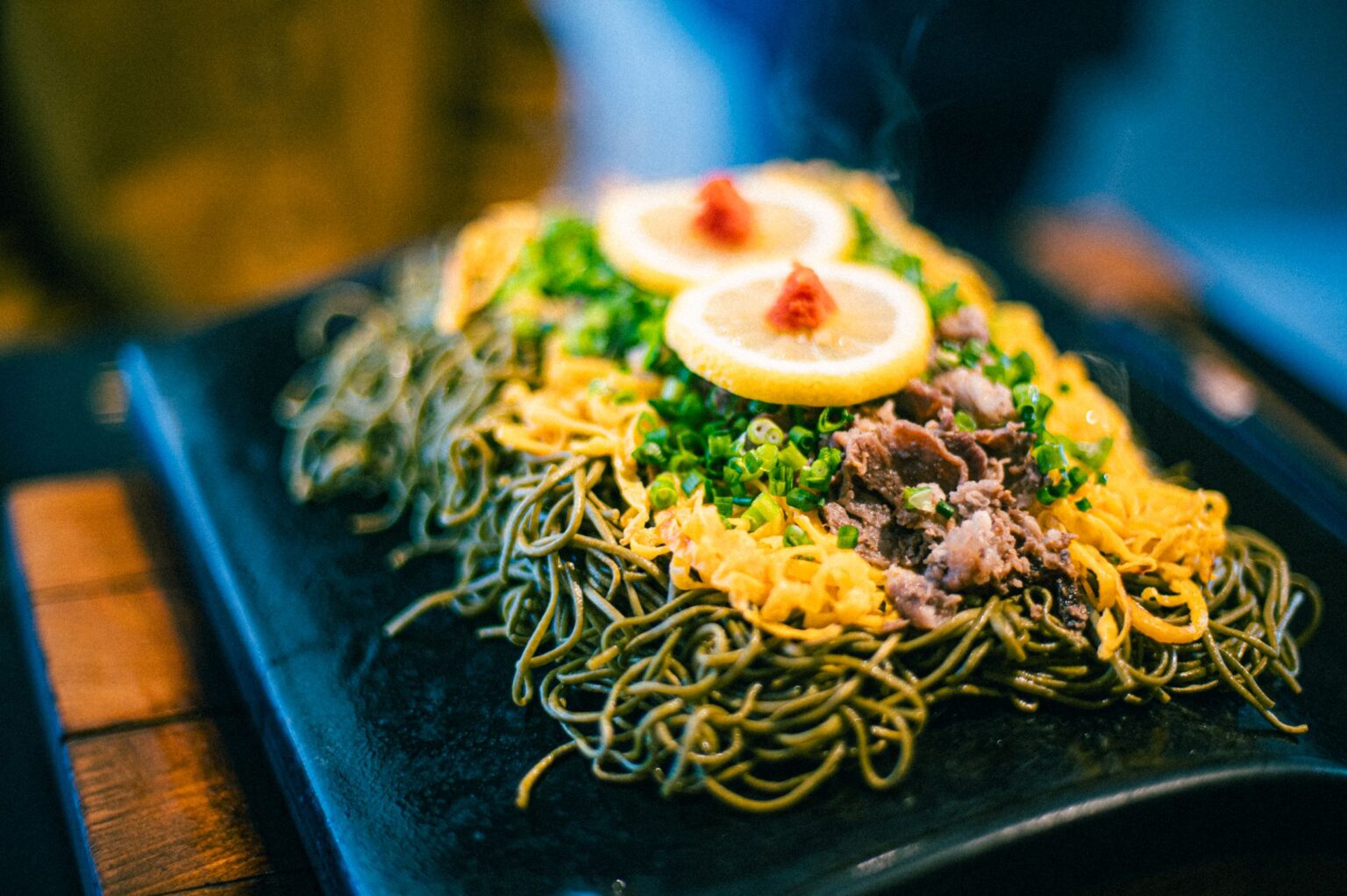
Kawara soba is a famous Yamaguchi specialty associated with Kawatana Onsen. Served on a heated roof tile, the noodles develop a crisp underside while the top layer stays soft and aromatic.
Driving Tips for International Visitors
Driving Yamaguchi’s coastal roads is one of the highlights of this trip, but it does require a bit of planning.
Once you leave Shimonoseki or Nagato City, expect narrow, winding lanes, single-lane stretches, and steep climbs, especially around Motonosumi-jinja Shrine and the Senjojiki Plateau. The ocean views are spectacular, but it’s important to keep your focus on the road.
Fuel planning is essential. Most gas stations are clustered in Shimonoseki and Nagato City, with very few options on remote peninsulas. If you plan to explore remote areas, make sure your tank is at least half full before leaving the main roads.
Parking can also affect your schedule. Senjojiki has a relatively large lot, but parking at Motonosumi Shrine is limited. During busy periods, it often fills up before 10:00 AM, and on long holidays, it may already be full by around noon. Aim to arrive early to avoid being turned away or stuck in gridlock on the access road.
FAQ
Is one day enough to see both Tsunoshima and Motonosumi?
Yes. If you start early from Fukuoka, it’s very doable.
The drive between Tsunoshima and Motonosumi takes about 40 minutes, and the scenery along the way is part of the experience.
What’s the best time of year for this road trip?
- Spring: Ideal for cherry blossoms and other seasonal flowers.
- Summer: Best if you want to see the sea at its most vivid cobalt blue. Expect warmer temperatures and more visitors.
- Autumn: Perfect for viewing brilliant red maple leaves.
- Winter: Best for food lovers, especially if you’re excited to try pufferfish and monkfish in their peak season.
Are there tolls on the route from Fukuoka?
Yes, there are tolls on the expressway from Fukuoka.
Can I visit these spots using public transportation?
It’s possible, but not ideal for a one-day trip.
Public transportation does run to these areas, but services are infrequent and often require multiple transfers, which can significantly cut into your time at each destination.
If you want to visit Tsunoshima, Motonosumi Shrine, and nearby viewpoints all in a single day, renting a car is the most efficient and flexible option.

